
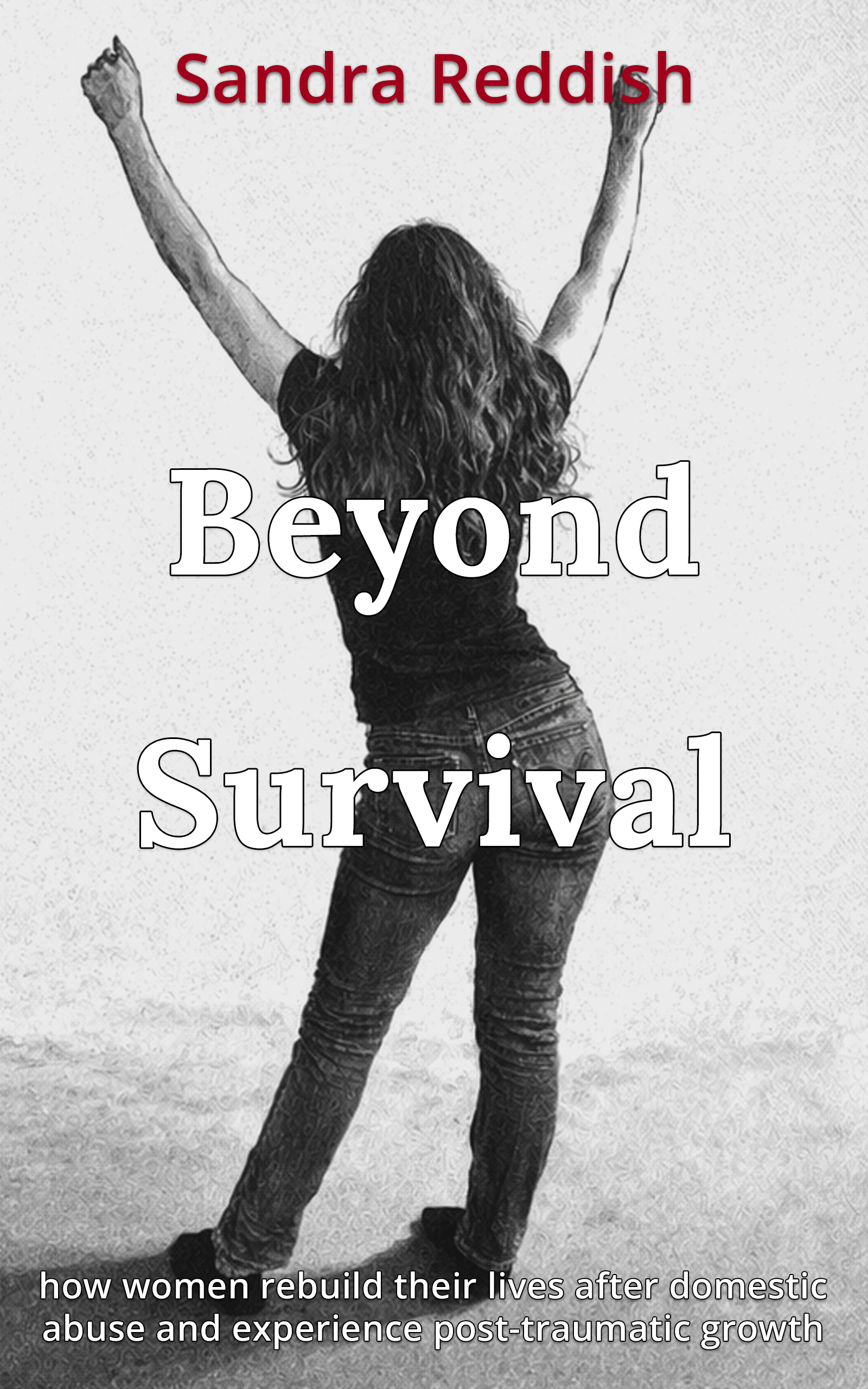
I first came across the idea of post traumatic growth (PTG) in 2021 after reading Scott Barry Kaufman’s article Post-Traumatic Growth: Finding Meaning and Creativity in Adversity. It struck a deep chord. I realised many of the women I supported were already showing clear signs of PTG, even if they didn’t have the language for it. When I began sharing the article with them, their responses were overwhelmingly positive. The possibility that growth could emerge from the hard work of processing trauma felt both hopeful and empowering—for them and for me.
By 2024, I knew I wanted to write about PTG specifically in the context of domestic abuse. Very little had been written about this connection in any meaningful way, so I immersed myself in the research and, more importantly, listened closely to the women I worked with. I began noticing PTG more deliberately in our conversations and, in 2025, set up a series of focus groups with survivors. We explored different aspects of PTG together, and their insights helped me understand how the classic PTG model, developed by Richard Tedeschi and Lawrence Calhoun in 1995, needed adapting to truly reflect survivors’ experiences.
Tedeschi and Calhoun identified five common outcomes of PTG: a deeper appreciation of life, stronger relationships, increased personal strength, new possibilities and directions, and spiritual or existential growth. Crucially, they also emphasised that growth can happen alongside trauma. You don’t have to be “fully healed” to grow; both can coexist.
Their work shows that PTG emerges not automatically, but through the painful process of questioning, understanding, and rebuilding beliefs about ourselves and the world. This idea isn’t new. From the Stoics to Viktor Frankl, many have written about adversity as a catalyst for deeper meaning, values, and strength.
In my own work, I’ve seen that women who actively engage with their trauma—rather than avoiding or suppressing it—tend to experience more growth. Processing trauma is difficult, but it’s also transformative. I’ve witnessed women find clarity, self compassion, courage, and purpose in the very places they once felt broken.
Seeing this transformation has been one of the most powerful motivations for writing this book. My hope is that, by sharing what I’ve learned from survivors and from the research, women will feel supported, validated, and encouraged to recognise that post traumatic growth is possible for them too.
For information on post-traumatic growth training – please see the training tab.